Painter's Guides
How to Prepare Walls for Painting (Denver Painter's Guide, 2026)
Denver painters' step-by-step process for prepping walls before paint — clean, patch, sand, caulk, prime — plus the prep mistakes that cause failure.
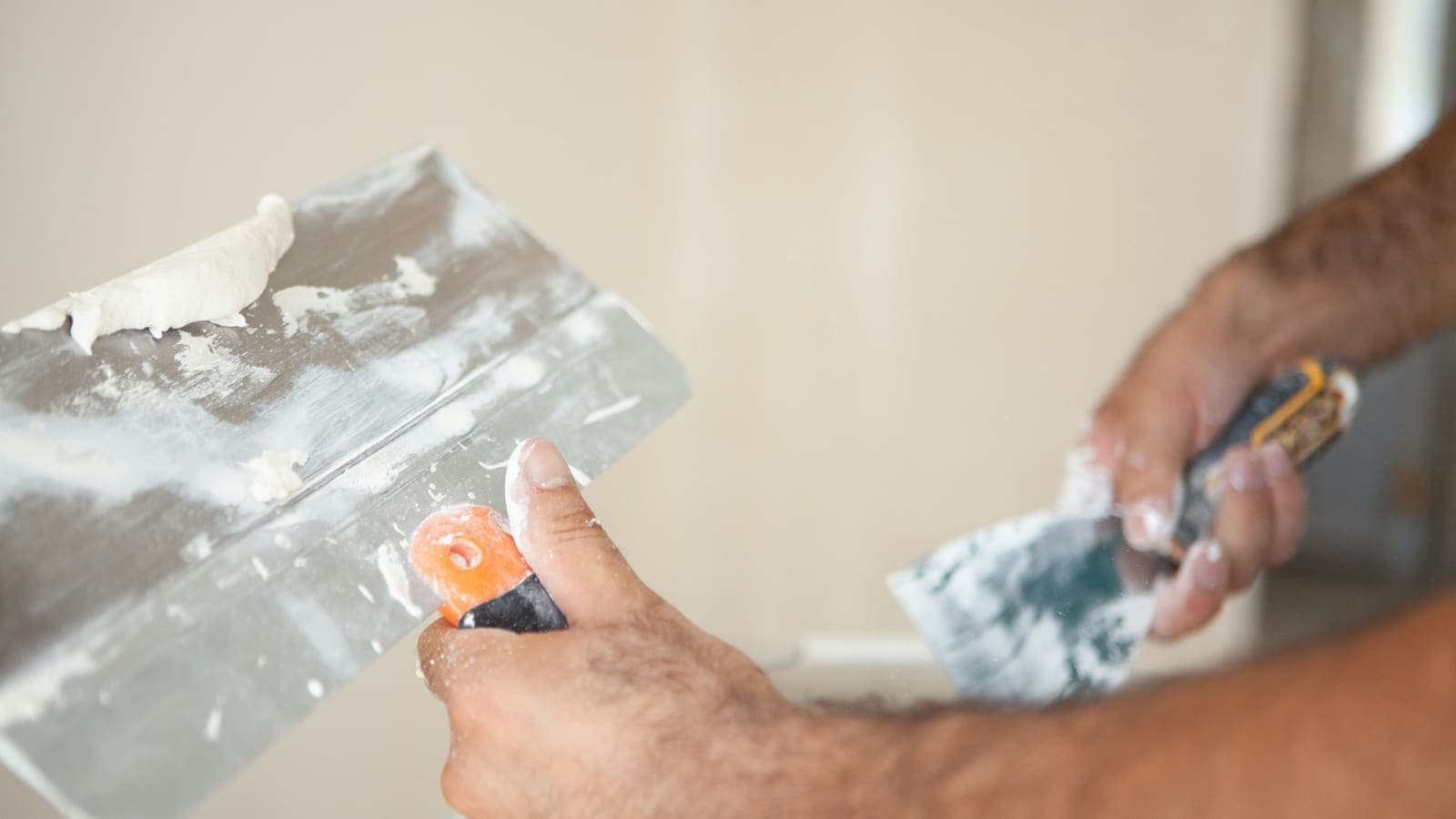
Prepping walls for paint is six steps in order: clear and protect the room, clean the wall, patch and repair, sand smooth, caulk gaps, and spot- or full-prime where the wall needs it. Skip any of the six and the paint will flash, peel, or telegraph every old patch within a year. Most DIY prep on a single-room repaint takes one full weekend if the walls are in good shape and two weekends if they aren't.
That's the short answer. The rest of this guide walks through each step the way we actually run it on interior painting jobs — the tools, the grits, the products, and the Denver-specific quirks (dry winter air, altitude dry times, older-home lead and asbestos) that shift prep here versus sea-level tutorials on the rest of the internet.
Why prep matters more than the paint
There's a line already on our interior painting service page that's worth repeating up front: most interior paint jobs fail because of the prep, not the paint. We mean it literally. Paint can only bond as well as the surface lets it, and the human eye reads wall texture and patchwork long before it reads color. A premium paint over bad prep looks worse at one year than a mid-grade paint over great prep looks at five. The two biggest multipliers on how long a paint job lasts are (1) prep quality and (2) product quality — and prep comes first.
Prep is also where most DIY repaints under-budget the time. A common pattern we see on a walk-through is a homeowner who's already painted one wall, noticed it looks worse than they expected, and called for a quote on the rest. The wall almost always looks worse because the prep was rushed, not because the paint was wrong.
Step 1 — Clear and protect the room
Before any spackle touches a wall:
- Pull furniture to the center of the room and cover it with plastic sheeting.
- Drop cloths over every floor surface — canvas drop cloths (reusable, $20–$35 each) are worth it over disposable plastic; plastic on floors slides around and is slippery.
- Pull outlet and switch plates, bag the screws, and tape the plates to the wall or drop them in a labeled bag. Painting around them is a DIY tell every time.
- Blue tape (painter's tape) on trim, baseboard, window frames, and the ceiling line where you want a clean transition.
- Pull or bag light fixtures and ceiling fans so you're not cutting around them with a brush.
DIYers routinely under-budget this step. In a furnished room, setup and protection runs 30–40% of total job time — several hours for a full living room. If you're starting late afternoon and the first thing you want to do is paint, you already lost the day.
Step 2 — Clean the wall
This is the step almost every internet tutorial skips and almost every DIY repaint regrets. Latex paint cannot fully bond to skin oils, kitchen grease, cooking film, smoke residue, pet dander, or hairspray. All of it is invisible — and all of it is enough to make the finish coat flash, streak, or peel in spots.
Wash the wall, don't just dust it:
- Living rooms, bedrooms, hallways: microfiber cloth + warm water. Top-to-bottom, one wall at a time.
- Kitchens, dining rooms, back-of-stove walls: warm water + a small drop of dish soap. Rinse with a second clean cloth.
- Visibly greasy walls, smoker's homes, or soot-damaged rooms: a TSP substitute like Krud Kutter or Savogran per label. Rinse twice.
- Let walls dry fully before any patching, sanding, or priming. Trapped moisture under paint causes its own failures.
This one step — done properly on a typical 12×14 bedroom — is 20–30 minutes. Skipping it will cost you days of rework later.
Step 3 — Patch and repair
Work from smallest to largest. The tool changes with the hole size, and so does the number of passes.
Nail holes and small dings (under ¼ inch). Lightweight spackle, applied flush with a 1.5-inch putty knife. Our specific pick is DAP DryDex — it goes on pink and turns white when it's dry, which takes the guesswork out of "is this ready to sand." One pass is usually enough. Sand flush with 120-grit, then 220-grit.
Picture-anchor holes, quarter-sized (¼–1 inch). Spackle plus a small square of fiberglass mesh tape over the hole. Skim coat two thin passes with a light sanding in between. Don't try to fill it in one thick coat — it cracks as it dries.
Doorknob-sized holes (1–6 inches). Use a stick-on aluminum patch (Home Depot and Lowes both carry them, ~$7–$10 for a pack). Press it flat over the hole, then skim-coat with two passes of all-purpose joint compound, feathered roughly six inches past the patch in every direction. Sand with 120-grit, then 220-grit. Prime the patched area before paint — bare joint compound absorbs paint differently than the rest of the wall.
Larger holes, sagging drywall, cracks wider than a hairline, any water damage. Stop. This is where DIY repair telegraphs through paint as a visible halo, flash, or ghost. Our drywall repair service handles patching, texture matching (smooth, orange peel, knockdown, skip-trowel), and water-stain repair as one workflow — feathered into the surrounding wall so the patch disappears under primer and paint. A bad patch is the single biggest source of "why does this wall still look wrong after I painted it?"
Hairline drywall-seam cracks — very common in Denver homes because dry winter air at 5,200 feet pulls moisture out of older drywall seams and opens them up. A cosmetic hairline gets the mesh-tape-plus-two-skim-coats treatment. A crack that keeps coming back in the same spot after repair, or a crack that's wider than a pencil line, usually means seasonal movement — worth a real drywall repair look before you paint.
Step 4 — Sand smooth
Two different kinds of sanding happen in this step, and both matter.
Sanding the patches. 120-grit first to knock down the high spots and feather the edge, then a 220-grit final pass so the patch reads as one continuous surface with the wall. Feather the edge way further than you think you need to — a sharp edge on a patch catches light and shows through paint.
Scuff-sanding the whole wall. This is the step DIYers skip most often. On any wall that already has a glossy finish (most eggshell, satin, or semi-gloss paint), a light whole-wall scuff with 220-grit or a fine sanding sponge dulls the existing sheen and gives the new paint a real mechanical bond. Without it, you're asking new paint to grip glossy plastic — it won't, not for long.
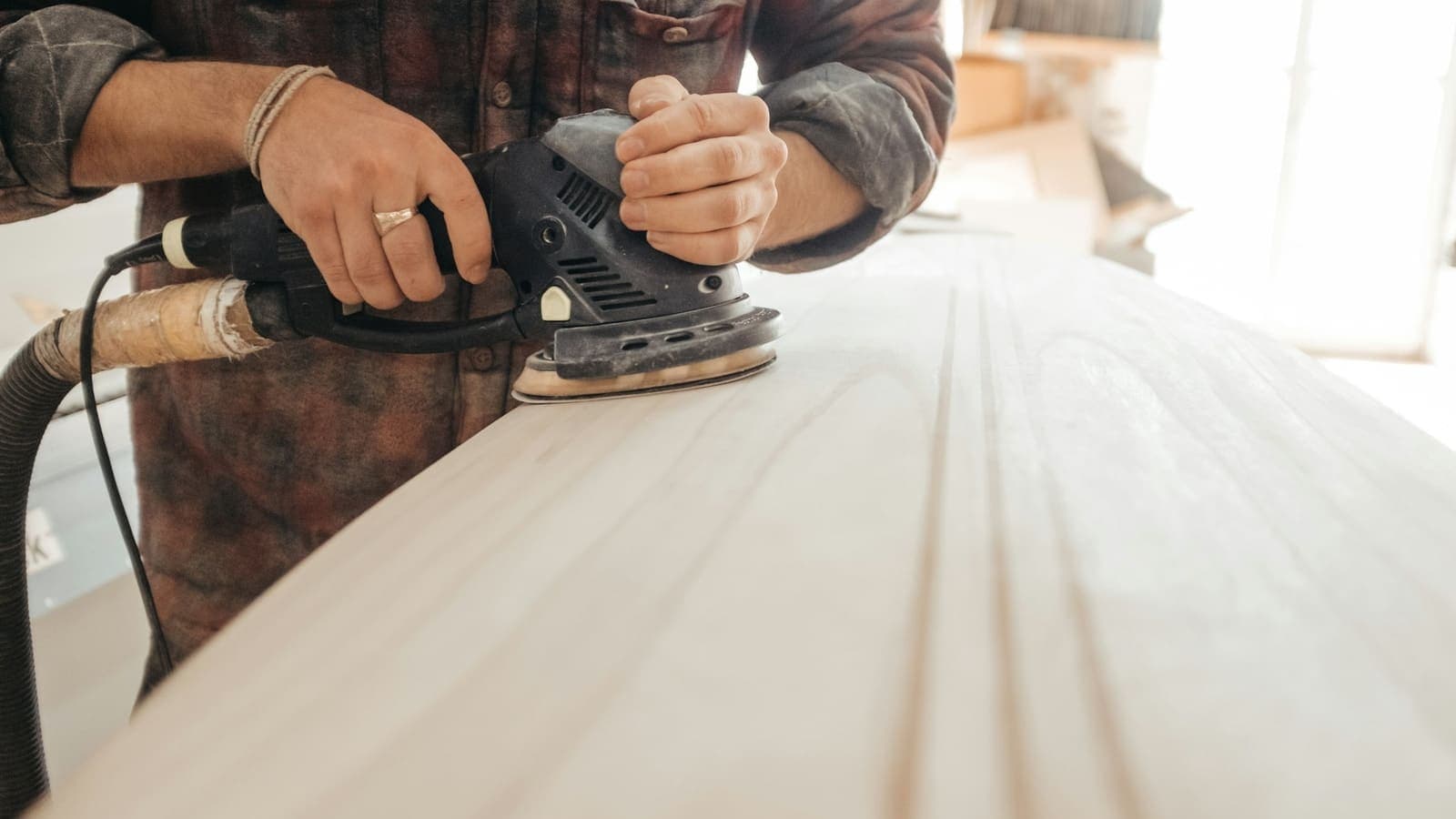
Use a sanding block or a pole sander with a drywall sanding screen for the whole-wall scuff. Skip the orbital sander on drywall: its circular pattern leaves swirl marks that show through finish paint, especially in matte sheens.
Vacuum the walls with a soft brush attachment after sanding, then wipe with a lightly damp microfiber cloth. Dust on a wall is the other half of the flashing problem.
Step 5 — Caulk gaps
Caulk is how you turn separate surfaces into a clean-looking line. It is not a substitute for patching — caulk in the middle of a wall eventually cracks and shows up as a hairline scar through the paint.
Where to caulk:
- Trim-to-wall lines (baseboard top edge, door and window casing edges).
- Inside corners where drywall meets trim, or where two pieces of trim meet at a corner.
- Wall-to-ceiling lines where there's no crown molding, and the existing line has small gaps.
Where not to caulk:
- In the field of the wall — patch it, don't caulk it.
- Over wide cracks — those need tape and compound, not a bead of caulk.
- On exterior-style gaps indoors — use acrylic-latex caulk, not silicone, on anything that will be painted.
The product: a paintable acrylic-latex caulk with a 35-year rating (DAP Alex Plus, Sherwin-Williams ShermanCaulk, or equivalent). Cut the tip small — you want a 3/16-inch bead, not a ½-inch one — and tool the bead smooth with a wet fingertip or a caulk-finishing tool. Let it cure per the label (most need 30 minutes to 2 hours before paint; at Denver's altitude, err toward the longer end for a clean topcoat).
Step 6 — Prime where it matters
Primer is not automatic. A same-color repaint over an existing latex finish in good shape doesn't need full-wall primer — a premium paint-and-primer-in-one is fine. Skip to finish coat.
Primer is required in four specific situations:
- Bare drywall, bare wood, or any bare patch. Paint without primer absorbs unevenly and flashes. Use a quality latex primer like Sherwin-Williams Premium Wall & Wood Primer or Zinsser Bulls Eye 1-2-3.
- Stain blocking — water stains, smoke, marker, tannin bleed from wood. A shellac-based primer like Zinsser BIN seals stains so they don't bleed through the finish coats. Latex primer will not seal these stains. Skipping this step and "just painting over it" three times is one of the most common calls we get on repaint fixes.
- A big color change (dark-to-light or light-to-dark). Have the paint store tint your primer toward the new finish color. A properly tinted primer cuts the number of finish coats from three or four down to a clean two.
- Glossy old paint, slick surfaces, melamine, oil-painted trim. Use a bonding or adhesion primer — Sherwin-Williams Extreme Bond, Zinsser Bulls Eye 1-2-3, or BIN. Without it, the new paint will peel off the old finish as soon as something bumps or scuffs the wall.
Primer dries fast at Denver altitude — usually recoatable inside an hour on a warm day — but give it the full time the label recommends before the finish coat. The finish paint you spent $90/gallon on deserves a properly cured primer underneath.
What you'll spend on DIY prep supplies
This is the standard kit we'd send a homeowner to buy for a typical two-bedroom-plus-living-room repaint — roughly 1,200 to 1,800 square feet of wall. Prices are 2026 Denver-area retail.
Lightweight spackle (DAP DryDex, pint)
$5-$8
Changes color from pink to white when dry. The right default for nail holes and small dings.
All-purpose joint compound (small bucket)
$10-$15
Use for doorknob-sized patches and skim coats. Small bucket is enough for a whole bedroom.
Fiberglass mesh tape
$5
Reinforces any patch larger than a nail hole. Self-adhesive; no staples.
Stick-on aluminum patches (pack)
$7-$10
Doorknob-sized holes. Press flat, skim-coat twice, feather wide.
Putty knives (1.5 inch + 6 inch)
$10-$15
1.5 inch for spackle, 6 inch for skim coats on larger patches.
Sanding block + 120 / 220-grit paper
$10-$15
Sanding block beats orbital on drywall every time. Orbitals leave swirl marks.
Painter tape (FrogTape MultiSurface, 1.88 inch)
$8-$10 per roll
Seal the edge by running a putty knife along it before painting. Two rolls covers most rooms.
Canvas drop cloths (9 x 12 ft, reusable)
$20-$35 each
Worth the upfront cost over disposable plastic. Two covers most rooms.
Plastic sheeting + dispenser
$10-$20
Cover furniture, not floors. Combines with blue tape for ceiling and fixture masking.
Paintable acrylic-latex caulk + caulk gun
$12-$18
35-year rating. DAP Alex Plus or equivalent. One tube does an average room.
Microfiber cloths + bucket
$10-$15
For washing walls before patching. Pick up a pack of 6.
Primer (1 gal, Zinsser Bulls Eye 1-2-3 or SW Premium)
$30-$45
Spot-prime patches, stains, and color-change walls. A gallon covers a small whole-home.
| Item | Typical cost | Notes |
|---|---|---|
| Lightweight spackle (DAP DryDex, pint) | $5-$8 | Changes color from pink to white when dry. The right default for nail holes and small dings. |
| All-purpose joint compound (small bucket) | $10-$15 | Use for doorknob-sized patches and skim coats. Small bucket is enough for a whole bedroom. |
| Fiberglass mesh tape | $5 | Reinforces any patch larger than a nail hole. Self-adhesive; no staples. |
| Stick-on aluminum patches (pack) | $7-$10 | Doorknob-sized holes. Press flat, skim-coat twice, feather wide. |
| Putty knives (1.5 inch + 6 inch) | $10-$15 | 1.5 inch for spackle, 6 inch for skim coats on larger patches. |
| Sanding block + 120 / 220-grit paper | $10-$15 | Sanding block beats orbital on drywall every time. Orbitals leave swirl marks. |
| Painter tape (FrogTape MultiSurface, 1.88 inch) | $8-$10 per roll | Seal the edge by running a putty knife along it before painting. Two rolls covers most rooms. |
| Canvas drop cloths (9 x 12 ft, reusable) | $20-$35 each | Worth the upfront cost over disposable plastic. Two covers most rooms. |
| Plastic sheeting + dispenser | $10-$20 | Cover furniture, not floors. Combines with blue tape for ceiling and fixture masking. |
| Paintable acrylic-latex caulk + caulk gun | $12-$18 | 35-year rating. DAP Alex Plus or equivalent. One tube does an average room. |
| Microfiber cloths + bucket | $10-$15 | For washing walls before patching. Pick up a pack of 6. |
| Primer (1 gal, Zinsser Bulls Eye 1-2-3 or SW Premium) | $30-$45 | Spot-prime patches, stains, and color-change walls. A gallon covers a small whole-home. |
Bottom line: about $150–$225 in supplies gets you a properly prepped two-bedroom repaint — roughly 5–7% of what the finished paint job itself costs per our interior painting cost guide. Good prep is the cheapest part of the whole project.
How many coats of paint do professionals use?
Two coats of finish is the professional standard on virtually every interior repaint. That's not a corner-cut — it's what premium paints are engineered to cover at.
The exceptions:
- Three coats when there's a major color change that wasn't handled with a tinted primer, or when the paint is a weaker mid-grade with poor one-coat hide.
- One coat only on spot touch-ups or specific very-high-hide ceiling whites.
If a painter's quote says "one coat" on a full repaint, you're buying a job that will show the old color through any direct light. The product you pick drives how well two coats actually covers — see our best paint for interior walls guide for which premium and mid-grade lines have the hide to make two coats read as finished.
The five prep mistakes we fix the most on Denver repaint jobs
Every repaint-over-a-repaint we get called in for has at least one of these five mistakes in it. All are cheap to avoid and painful to fix.
- Skipping the wall wash. The finish coat flashes in every spot the wall was greasy or smoky. Fix: wash before paint, every time.
- Brush-on spackle, never sanded flush. Every patch telegraphs through the paint as a raised bump in raking light. Fix: sand every patch with 120-grit, then 220-grit.
- Caulking the field of the wall. Caulk in the middle of a flat wall eventually cracks and shows up as a hairline scar. Fix: patch walls with compound; reserve caulk for trim-to-wall joints.
- Painting over water stains without a shellac primer. Water stains bleed through latex primer and through as many latex finish coats as you're willing to apply. Fix: Zinsser BIN shellac primer first, then finish.
- Taping but not sealing the tape edge. Paint bleeds under the tape onto the trim. Fix: run a putty knife flat along the tape edge to seal it before painting. FrogTape MultiSurface helps too — it's gel-sealed — but even then, seal the edge.
When to hire a pro for prep
DIY prep is reasonable when the walls are in good shape, the job is one or two rooms, and you're not doing a major color change or fixing real damage.
Bring in interior painting to scope the prep when:
- You're doing a whole-home repaint — prep quality compounds across rooms and fixing it later is expensive.
- There's visible drywall damage, water damage, or wide cracks — these need real drywall repair, not DIY spackle.
- The home was built before about 1980 — lead and asbestos testing should happen before any aggressive sanding.
- Prep is going to take more than one weekend and you'd rather spend the time doing anything else.
Every quote we write walks the prep individually and itemizes it, so you see exactly what's being done versus skipped. Older Lakewood ranches often need real plaster or seam work, historic Golden Victorians commonly need trim and texture repair, and the foothill homes we see in Littleton and Evergreen vary widely with age and altitude — we scope each one from a walkthrough, not a phone estimate.
Bottom line
Six steps, in order: clear and protect, clean, patch, sand, caulk, prime. Skip any of them and the paint job won't last. Do them properly and mid-grade paint will outlast premium paint over rushed prep every time.
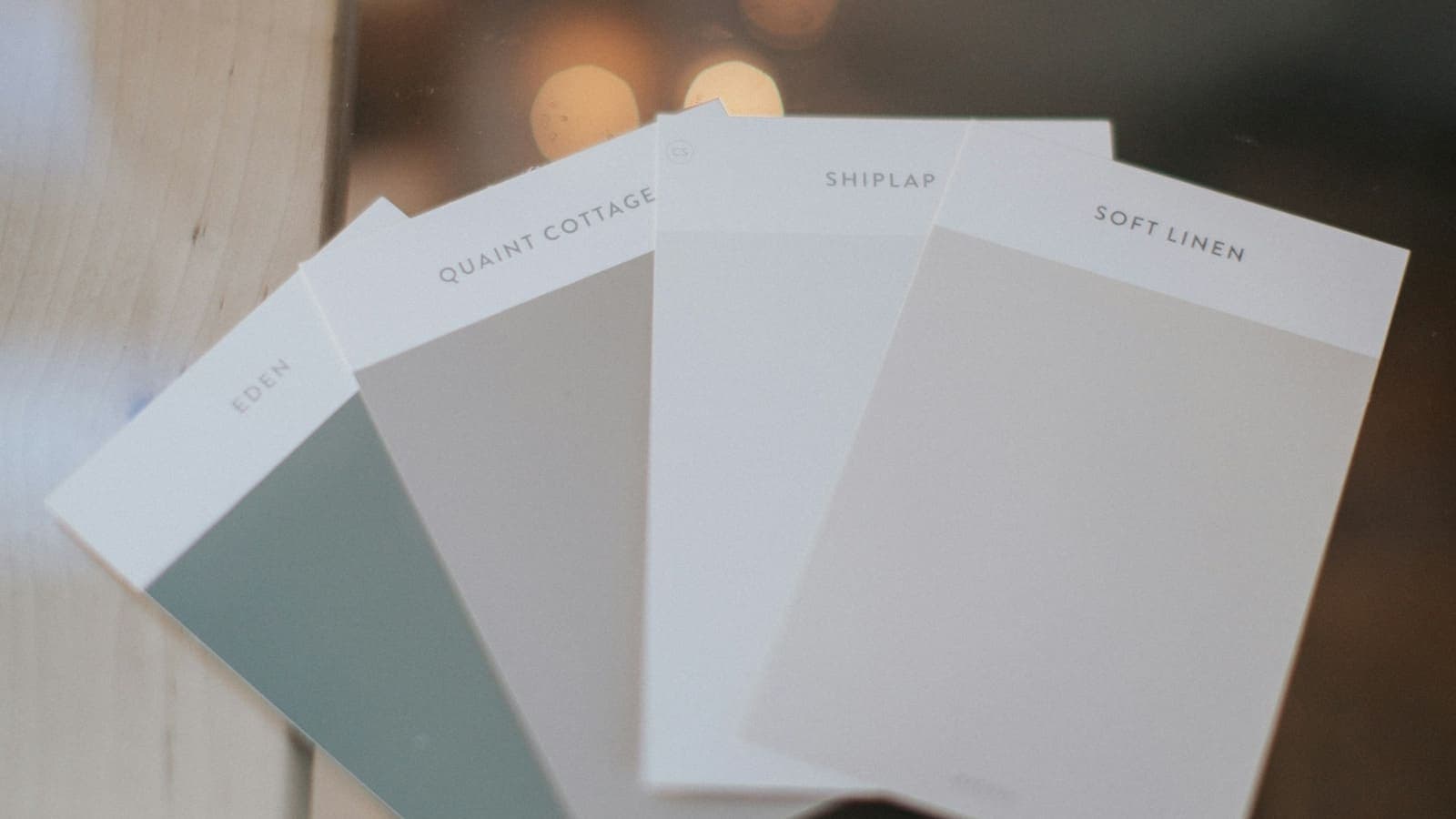
Ready to move on? Once the walls are prepped, the two decisions left are color and product: our guide on how to choose a paint color walks through picking colors that hold up in Denver light, and our best paint for interior walls guide covers which products actually make two coats look finished. If you'd rather hand off the whole thing, get a free quote here and we'll walk the prep with you.
Related services