Buyer's Guides
Best Paint for Interior Walls (Denver Painter's Guide, 2026)
Our Denver painters' top picks for interior wall paint in 2026 — premium, mid-grade, and big-box options, plus the sheen and finish decisions that matter.
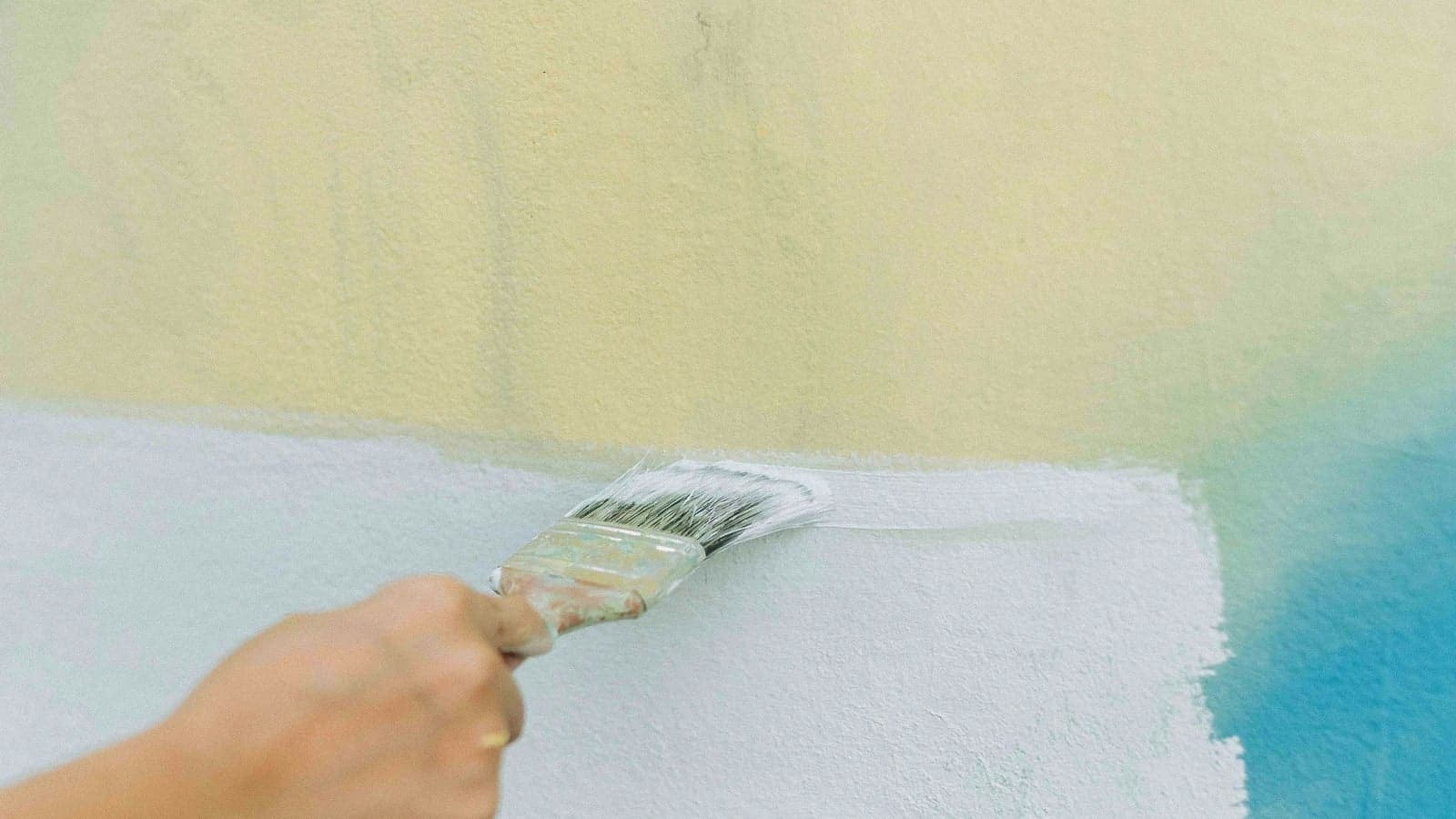
For most Denver interior walls, the best paint in 2026 is Sherwin-Williams Emerald in matte or eggshell, or Benjamin Moore Aura in the same sheens. Both are top-tier acrylic latex paints that hide better, scrub cleaner, and hold their color years longer than anything in the mid-grade tier. If you want similar performance at a lower price, SW SuperPaint and BM Regal Select are the best mid-grade picks. From the big-box aisle, Behr Marquee is the only product we'd actually recommend.
That's the short answer. The longer answer — which paint, in which sheen, in which room, and why the cheap stuff costs more in the long run — is what the rest of this guide covers.
We've sprayed and rolled most of the products on this list across thousands of square feet of Denver interior in the past decade. The picks below are how we actually spec interior painting jobs for our clients, not a sponsored list.
What actually matters in a wall paint
Before the brand recommendations, here are the six properties we care about when picking a paint line. A "good" paint is good at all six; a great paint is exceptional at the top three.
Hide and coverage. How well the paint blocks the color underneath in a single coat. Cheap paint needs three coats to hide a color change; premium paint usually needs two. That's both a labor and a product savings on the job.
Scrubbability. How well the dried film holds up to a wet rag, a Magic Eraser, or a kid's hand. This is the single biggest difference between a $30/gal contractor-grade paint and a $90/gal premium — premium walls clean back to "new"; cheap walls burnish to a shiny patch you can't undo.
Color retention. How well the pigments hold up to UV and time. Cheap colorants fade and shift, especially in deep colors and especially on south- and west-facing walls. Premium pigments stay true for years.
Finish consistency. How smoothly the paint lays out and how well it resists "flashing" (visible sheen differences over patches and repairs) and "burnishing" (shiny spots from rubbing). This is where mattes have historically struggled — and where modern premium mattes have closed the gap.
Low-VOC and cure speed. Whether the paint passes Green Seal / GREENGUARD low-VOC standards (almost all premium acrylic latex does) and how quickly it cures hard enough to live with. Most interior latex is dry to recoat in 4 hours and fully cured in 14–30 days.
Sheen availability. Whether the line comes in matte, eggshell, satin, and semi-gloss in the same color so you can run the whole interior — walls, hallways, kitchens, trim — out of one product family.
Our pro picks at each tier
Sherwin-Williams Emerald
$95/gal
Top pick. Best-in-class hide, scrubbability, and a beautiful washable matte. Our default for premium repaints.
Sherwin-Williams Duration
$80/gal
Very close to Emerald in performance at a slightly lower price. A great pick when budget matters but the room demands premium.
Sherwin-Williams SuperPaint
$60/gal
Best mid-grade SW. Excellent for everyday rooms. We use it on rentals, flips, and budget-conscious whole-house repaints.
Benjamin Moore Aura
$95/gal
Top pick. Unmatched color retention on deep and saturated colors. Smoothest film of anything we use.
Benjamin Moore Regal Select
$65/gal
Best mid-grade BM. Excellent finish, easy application, holds color well. The default for most BM jobs.
Benjamin Moore Ben
$45/gal
Entry-level BM. Reasonable hide and scrubbability for the price. Better than most contractor-grade paint.
Behr Marquee
$55/gal
Best big-box pick. Genuinely strong one-coat hide and decent scrubbability. The right call for committed DIY repaints.
Valspar Reserve
$50/gal
Solid backup big-box option, widely available at Lowes. Not quite Marquee, but good hide, good color, and reliable.
| Item | Typical cost | Notes |
|---|---|---|
| Sherwin-Williams Emerald | $95/gal | Top pick. Best-in-class hide, scrubbability, and a beautiful washable matte. Our default for premium repaints. |
| Sherwin-Williams Duration | $80/gal | Very close to Emerald in performance at a slightly lower price. A great pick when budget matters but the room demands premium. |
| Sherwin-Williams SuperPaint | $60/gal | Best mid-grade SW. Excellent for everyday rooms. We use it on rentals, flips, and budget-conscious whole-house repaints. |
| Benjamin Moore Aura | $95/gal | Top pick. Unmatched color retention on deep and saturated colors. Smoothest film of anything we use. |
| Benjamin Moore Regal Select | $65/gal | Best mid-grade BM. Excellent finish, easy application, holds color well. The default for most BM jobs. |
| Benjamin Moore Ben | $45/gal | Entry-level BM. Reasonable hide and scrubbability for the price. Better than most contractor-grade paint. |
| Behr Marquee | $55/gal | Best big-box pick. Genuinely strong one-coat hide and decent scrubbability. The right call for committed DIY repaints. |
| Valspar Reserve | $50/gal | Solid backup big-box option, widely available at Lowes. Not quite Marquee, but good hide, good color, and reliable. |
These prices reflect typical Denver retail in 2026 and shift a few dollars season to season. Pro accounts at Sherwin-Williams and Benjamin Moore knock 15–30% off the retail number, which is part of why a quote from a real painting company often nets out close to a DIY estimate by the time you account for materials, sundries, and labor savings from one less coat.
Best paint for each scenario
If you only remember one thing from this guide, make it this: there is no single best wall paint. There's the best paint for your wall, in your room, in your climate. Here's how we'd pick.
Best overall
Sherwin-Williams Emerald or Benjamin Moore Aura. Both are at the top of the market, and the practical difference between them is small. We grab Emerald when there's a meaningful color change to cover (Emerald has slightly stronger one-coat hide). We grab Aura when the color is deep, saturated, or designer-spec'd, and finish quality matters most (Aura's pigments are exceptional on bold colors).
Best daily-driver mid-grade
SW SuperPaint or BM Regal Select. These are what we use on roughly half of all interior jobs — repaints in the same color family, rentals, second homes, and houses where the homeowner wants quality but doesn't need top-tier. SuperPaint and Regal Select give you 80–90% of the premium experience at 60–70% of the price.
Best DIY / big-box
Behr Marquee at Home Depot or Valspar Reserve at Lowe's. If you're doing the painting yourself and you want one coat to actually mean one coat on a similar-color repaint, Marquee is the only big-box paint we'd put in the same conversation as the SW/BM mid-grade lines. Skip the cheaper Behr Premium Plus and Valspar Signature lines — they fall off significantly on hide and scrubbability.
Best for high-traffic hallways and kid zones
Emerald or Aura in eggshell. Eggshell is the right sheen for any room that gets touched, scuffed, splashed, or wiped down regularly. Premium eggshell cleans almost as well as satin without the plasticky look satin can give a wall. Hallways in Lakewood ranches, mudrooms in Littleton homes with attached garages, and any wall in a house with kids should be premium eggshell.
Best for kitchens and bathrooms
Satin Emerald or Aura. Kitchens and bathrooms see grease, steam, splatters, and frequent cleaning. Satin sheens shrug off all of that without looking glossy. For trim and doors in those rooms, step one notch higher to semi-gloss.
Best for trim, doors, and cabinets
Sherwin-Williams Emerald Urethane Trim Enamel. Different category — it's a urethane-modified alkyd that levels out brush and roller marks for a near-spray finish — but it deserves a mention because it's what we use on virtually every trim and cabinet repaint. If you're repainting cabinets, that's our cabinet painting territory; for the full pricing breakdown, see our kitchen cabinet cost guide. For interior doors and baseboards, Emerald Urethane Trim Enamel in semi-gloss is the right answer almost every time.
Sheen guide by room
Sheen is just as important as the paint line — get it wrong and even Emerald or Aura will look off. Here's how we spec sheens on Denver interiors:
- Matte (flat). Living rooms, formal dining rooms, primary bedrooms, ceilings. Hides drywall imperfections best. Use a premium matte (Emerald Matte, Aura Matte) so it stays scrubbable.
- Eggshell. Hallways, kid bedrooms, family rooms, mudrooms, anywhere with regular touch and traffic. The all-purpose Denver-home sheen.
- Satin. Kitchens, bathrooms, laundry rooms. Stands up to moisture, grease, and frequent wiping.
- Semi-gloss. Trim, baseboards, interior doors, and bathroom ceilings (where steam matters most). Crisp and easy to clean.
That guide mirrors how we spec every interior painting job. Different rooms in the same house should usually run different sheens — using one sheen everywhere either dulls high-traffic surfaces or makes formal rooms look plasticky.
Why Denver matters for interior paint, too
Denver isn't as hard on interior paint as it is on exterior — but it's not neutral, either. Three things to know:
Altitude dry-time. At 5,200+ feet, paint skins over fast. The wet edge — the working margin where you can blend one stroke into the next without lap marks — is noticeably shorter than at sea level. Cheap paint is worse here because it has less open time built in. Premium paints (Emerald, Aura, Regal Select) are formulated with a longer wet edge, which is part of why a pro can roll a Denver wall without lap marks and a DIYer using contractor-grade paint sometimes can't.
Low humidity, slow full cure. Paint is dry to recoat in 4 hours and dry to live with in 24 hours, but it doesn't fully cure (cross-link and reach final hardness) for 14–30 days. In Denver's dry indoor air that timeline runs long, not short. Don't aggressively scrub a freshly painted wall for the first month — you'll burnish it, and it can't be undone without repainting. This applies to every interior paint, premium or not.
UV fade on south- and west-facing walls. Sun streaming through south- and west-facing windows shifts and fades cheap pigments much faster than premium ones. Foothill-edge homes in Lakewood, west-light-heavy rooms in Golden, sun-soaked south windows in Littleton bungalows, and big-glass mountain rooms in Evergreen all show this problem first. Aura is exceptional here; Emerald is excellent; SuperPaint and Regal Select hold up well; anything cheaper visibly fades on south walls within 3–4 years.
How long should interior paint last in Denver?
A properly applied interior paint job has a wide but predictable lifespan, and the paint line is the biggest variable.
- Premium (Emerald, Aura, Duration, Regal Select): 7–10 years in low-traffic rooms; 5–7 years in kitchens, baths, hallways, and kid zones.
- Mid-grade (SuperPaint, Ben, Marquee): 5–8 years in low-traffic rooms; 3–5 years in high-traffic areas.
- Contractor-grade ($25–$35/gal): 3–5 years overall; expect visible scuffing and burnishing within the first 2 years.
The signs it's time to repaint a room aren't always color-related. The most common tells we see on a Denver walk-through are:
- Scuff patches that won't clean off — the paint has burnished and lost its original sheen.
- Sheen flashing after patch repairs — drywall patches show as dull spots even after a touch-up.
- Color shift on sunny walls — south- or west-facing walls look noticeably different from the same color on shaded walls.
- Hairline cracks at corners and seams — an aging paint film losing flexibility.
A premium paint on a properly prepped wall stretches that timeline meaningfully — which is why we spec Emerald, Aura, or one of the strong mid-grades on virtually every repaint we do. For a deeper look at full-job costs and what drives them, see our interior painting cost guide; for a complete repaint scope, here's our interior painting service.
Primer: when you actually need it
Modern paint-and-primer-in-one products (Emerald, Aura, Duration, Regal Select, Marquee) handle most repaints without a separate primer coat. They're not magic — they just have enough binder and pigment to act as both primer and finish in the same pass on most surfaces.
That said, you absolutely still need a dedicated primer in five situations:
- Bare drywall. Always. Use a drywall sealing primer (PVA primer) so the joint compound doesn't show through as flashing.
- Stained walls. Water stains, smoke stains, and tannin bleed from cedar or knotty pine all need a stain-blocking primer (Zinsser BIN or Kilz Original). Skip this and the stain bleeds through within weeks.
- Glossy surfaces being repainted. Old oil-based trim or high-gloss surfaces need a bonding primer or a thorough sand-and-prime before any latex topcoat will adhere.
- Dramatic dark-to-light color changes. Going from a deep navy or charcoal back to white needs a tinted gray primer to give the topcoat a fighting chance — otherwise you're rolling four coats.
- Patch-heavy walls. If a wall has a lot of drywall repair, prime the whole wall (not just the patches) so the topcoat lays down to a single, even sheen.
In every other repaint scenario — same color or modest color shift, clean walls, no stains — Emerald and Aura skip the primer step and save a coat.
DIY or hire a pro?
DIY makes sense on a single small room with similar-color repaint, no major prep, and a buyer's-guide-grade paint (Marquee or a premium SW/BM mid-grade). Plan on a long Saturday for a 12x14 bedroom, decent results, and saving roughly $400–$700 in labor over a pro estimate.
Hiring a pro makes sense for:
- Whole-house repaints (4+ rooms).
- Any job involving ceilings, trim, and doors together (the cut lines kill DIY momentum).
- Color changes more than two shades in either direction.
- Houses with significant drywall repair, water damage, or stained surfaces.
- Anyone who doesn't already own a respectable sprayer, ladders, drop cloths, and the patience for masking.
When you hire a pro, what you're actually paying for is prep, pace, and product expertise — not the painting itself. That's how our interior painting service is structured: a real prep scope, the right premium paint per surface, and a finish you don't have to look closely at to feel good about.
Bottom line
For Denver interior walls in 2026, the best paint is Sherwin-Williams Emerald or Benjamin Moore Aura — premium acrylic latex, in matte for living rooms and bedrooms, eggshell for hallways and family rooms, satin for kitchens and bathrooms. Step down to SW SuperPaint or BM Regal Select when budget matters but quality still does. From the big-box aisle, only Behr Marquee belongs in that conversation; everything cheaper is a 3-year paint job pretending to be a 10-year one.
When you want a real spec for your home — paint line, sheen, product per surface, and a full prep scope — we'll walk the rooms with you and send an itemized interior painting quote within one business day. Get a free quote here. Curious what a full repaint costs? Our interior painting cost guide breaks it down by room and by scope.
Related services