Painter's Guides
Can You Paint Cabinets Without Sanding? (Denver Painter's Guide, 2026)
Denver painters' honest answer: a full sand isn't required, but a scuff sand is. The only legitimate no-sand cabinet prep plus the shortcuts that fail.
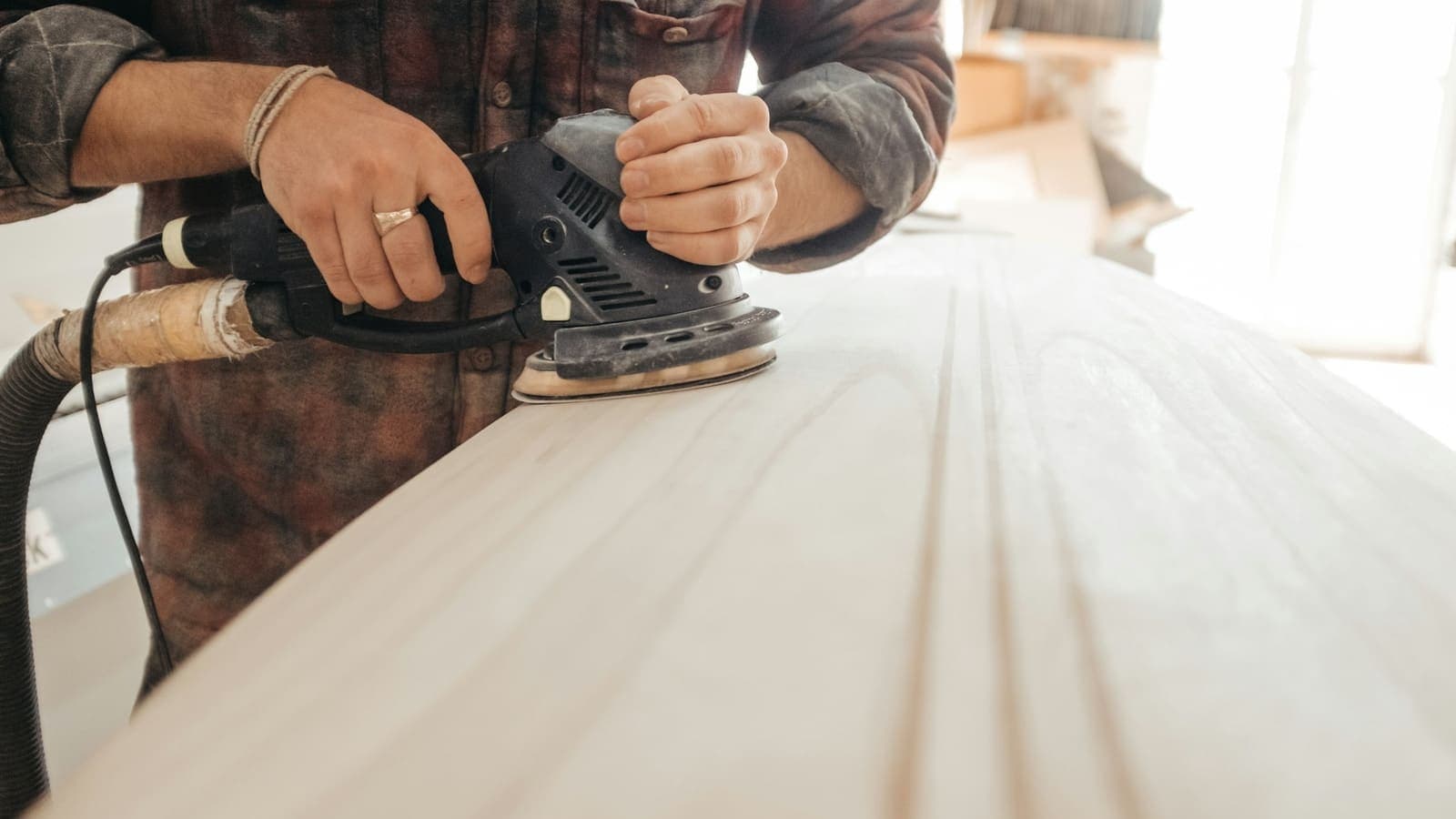
Short answer: no, not really — not if you want the finish to last on a working kitchen. The real "no sanding" shortcut is a light scuff sand plus a bonding primer. That's it. Scuff-sanding a cabinet door takes about three minutes with a 220-grit sanding sponge, not three hours. Skip it entirely and the new paint peels off door edges within a year.
That's the honest answer the rest of this guide unpacks — including the couple of cases where a no-sand method is legitimately fine, the one chemical shortcut that actually works, and the prep-step shortcuts every Denver cabinet painter we know has been called in to fix.
Why people ask this question
The "no-sand cabinet makeover" idea comes mostly from Pinterest and YouTube — chalk-paint-and-wax tutorials on a piece of furniture that lives in a formal living room and essentially never gets touched. For that use case, a chalk-paint-and-wax finish with no sanding is genuinely fine. It's also irrelevant to kitchen cabinets.
Kitchen cabinets live in a different durability class. Doors open and close 10,000-plus times a year, absorb grease and hand oils, catch spray from the stove, and get wiped down with abrasive sponges. The prep that works on a living-room credenza does not work on a kitchen full of high-touch doors and drawers. This is the gap between what the popular "no-sand" videos show and what actually holds up on a working kitchen — and it's most of why this question even exists.
What "without sanding" actually means in practice
There are three different things people mean by "no sanding" on cabinets, and only one of them works on kitchens.
1. No sanding at all. Straight over a factory finish with no abrasion. This fails. Skip it.
2. No full sand to bare wood. This is the legitimate shortcut, and it's what pros actually do. A light scuff with 220-grit dulls the factory sheen so primer can grip — it's abrasion, not refinishing. This is what the phrase "without sanding" should mean.
3. A chemical deglosser or "liquid sandpaper" step. Products like Klean-Strip Easy Liquid Sander or Wilbond dull the slick factory finish chemically. They work, but mainly as a supplement to a scuff sand — especially on routed door profiles and ornate trim where sanding is slow. On a plain flat-panel door, a 220-grit scuff is faster and more reliable.
For the rest of this guide, "without sanding" means interpretation #2 — the pro-shortcut version.
The only legitimate no-full-sand cabinet prep
This is the exact process every reputable Denver cabinet painter uses on a standard intact-factory-finish repaint. It matches what's already on our cabinet painting service page and what we run on every kitchen we quote.
- Remove the doors, drawer fronts, and hardware. Label every door and hinge with painter's tape so everything goes back where it came from. Painting boxes with doors attached is the single biggest reason DIY cabinet paint jobs look like DIY cabinet paint jobs.
- Degrease thoroughly. A TSP substitute (Krud Kutter or Savogran TSP-PF) on any kitchen cabinets — especially anything above or near the range. Bathroom vanities can use a plain degreaser. Latex paint does not bond to grease, invisible or otherwise.
- Scuff sand with 220-grit. A fine sanding sponge or 220-grit paper on a sanding block. About 2–3 minutes per door face — you're dulling the sheen, not removing the finish. Sand both sides of doors and the visible faces of the boxes. Don't skip the inside edges where the hinges sit; that's the first place cheap cabinet paint peels.
- Wipe clean. A lightly damp microfiber cloth first to grab the dust, then a tack cloth. Any residue left on the surface becomes a bump under the primer.
- Apply a bonding primer. Our most-used picks: Sherwin-Williams Extreme Bond Primer, INSL-X Stix Waterborne Bonding Primer (the contractor default), or Zinsser B-I-N Shellac-Based Primer when there's a dark stain to block or a knotty wood like alder or pine. One good coat, per label dry time.
- Two coats of cabinet-grade enamel. Sherwin-Williams Emerald Urethane Trim Enamel or Benjamin Moore Advance — the same two products we've named consistently across our cabinet painting service page and kitchen cabinet cost guide. Never use wall paint on cabinets. It's the single most common reason a cabinet repaint fails inside two years.
That's the whole process. The scuff is about 60 minutes of light sanding on a 20-door kitchen — not a full weekend of refinishing. That's what "without sanding" can legitimately mean.
What the DIY no-sand kit actually costs
If the cabinets are sound, the existing finish is intact, and you're doing a standard color change on a 15–20-door kitchen or a set of vanities, the supply side of a DIY job looks roughly like this. All prices are 2026 Denver-metro retail.
220-grit sanding sponges (pack of 6)
$10-$15
The only grit you need for a scuff. Skip the orbital sander on flat-panel doors.
TSP substitute (Krud Kutter or Savogran)
$8-$12
Phosphate-free. One bottle degreases a whole kitchen twice.
Tack cloths (pack)
$6-$10
Used right before primer to grab any remaining dust. Not optional.
Bonding primer (1 qt INSL-X Stix or SW Extreme Bond)
$25-$35
Enough for a single vanity or a small set of built-ins.
Bonding primer (1 gallon, for kitchens)
$50-$65
A 20-door kitchen needs a gallon. Do not substitute wall primer.
Cabinet enamel (1 gal SW Emerald Urethane or BM Advance)
$95-$115
Two coats, sprayed or mini-roller. Never use wall paint on cabinets.
Microfiber cloths (pack)
$8-$12
Post-sand cleanup before the tack cloth pass.
Painter tape (FrogTape MultiSurface, 1.88 in)
$8-$10 per roll
Masks off walls, countertops, and interior cabinet boxes.
Canvas drop cloths (9 x 12 ft, reusable)
$20-$35 each
Two for a typical kitchen. Plastic slides on floors.
High-density foam mini-roller + quality brush
$20-$30 combined
Mini-roller for flat panels, brush for recesses and routed profiles.
Sawhorses or a door rack (optional)
$40-$80
Lets you paint both sides of a door the same day. Well worth it on a kitchen.
| Item | Typical cost | Notes |
|---|---|---|
| 220-grit sanding sponges (pack of 6) | $10-$15 | The only grit you need for a scuff. Skip the orbital sander on flat-panel doors. |
| TSP substitute (Krud Kutter or Savogran) | $8-$12 | Phosphate-free. One bottle degreases a whole kitchen twice. |
| Tack cloths (pack) | $6-$10 | Used right before primer to grab any remaining dust. Not optional. |
| Bonding primer (1 qt INSL-X Stix or SW Extreme Bond) | $25-$35 | Enough for a single vanity or a small set of built-ins. |
| Bonding primer (1 gallon, for kitchens) | $50-$65 | A 20-door kitchen needs a gallon. Do not substitute wall primer. |
| Cabinet enamel (1 gal SW Emerald Urethane or BM Advance) | $95-$115 | Two coats, sprayed or mini-roller. Never use wall paint on cabinets. |
| Microfiber cloths (pack) | $8-$12 | Post-sand cleanup before the tack cloth pass. |
| Painter tape (FrogTape MultiSurface, 1.88 in) | $8-$10 per roll | Masks off walls, countertops, and interior cabinet boxes. |
| Canvas drop cloths (9 x 12 ft, reusable) | $20-$35 each | Two for a typical kitchen. Plastic slides on floors. |
| High-density foam mini-roller + quality brush | $20-$30 combined | Mini-roller for flat panels, brush for recesses and routed profiles. |
| Sawhorses or a door rack (optional) | $40-$80 | Lets you paint both sides of a door the same day. Well worth it on a kitchen. |
Bottom line: about $200–$300 in supplies for a DIY no-full-sand approach on a 15–20-door kitchen. That's maybe 5–10% of what a pro cabinet repaint costs per our kitchen cabinet cost guide — the big cost gap between DIY and pro is labor, spray finish quality, and product system, not supply dollars.
Where a no-sand method is genuinely fine
Not every cabinet is a kitchen cabinet. A bonding-primer-over-scuff approach is durable anywhere; a lighter scuff-plus-deglosser or even a deglosser-plus-bonding-primer only approach can be legitimately fine on:
- A bathroom vanity that sees low traffic and no grease.
- Built-in bookshelves in a formal living room.
- A kid's room bookshelf or closet interior.
- Laundry-room uppers that open once a week.
These are exactly the cases chalk-paint-and-wax content on Pinterest is (accidentally) right about. The problem is that the internet applies the same advice to working kitchens, where the mechanics are completely different. Kitchen cabinets are in a different durability class — treat them accordingly.
Is cabinet painting worth it?
This comes up in the same conversation as "can you skip the sanding," so it's worth settling.
A full cabinet remodel in Denver runs roughly $20,000–$40,000 without much effort. A proper cabinet repaint — sprayed, bonding-primed, two coats of cabinet-grade enamel — runs $2,200–$8,500 per our kitchen cabinet cost guide. That's 10–20% of the cost of new cabinets for most of the visual upgrade, with a finish that should hold up for 10+ years if it's done right.
The real question is whether the cabinet boxes are worth painting. Painting makes sense when the boxes are structurally sound (no water damage, no sagging shelves, no major racking), the door and drawer hardware still works smoothly, and you actually like the layout. Painting does not make sense when doors are warped or thermofoil is delaminating, when the layout is wrong for how you use the kitchen, or when the boxes themselves are particle-board and falling apart. We'll tell you which side you're on — we don't quote cabinet paint jobs on cabinets that should be replaced, because we'd rather you spend your money once.
The three DIY no-sand mistakes we fix the most
Every DIY cabinet job we get called in to salvage has at least one of these. All three cost 2–3× more to fix than the original paint job would have cost to do right.
- Chalk paint and wax on a working kitchen. The wax contaminates every future coat of paint; the only fix is a full chemical strip. There is no shortcut around this one.
- Wall paint over a factory finish with no bonding primer. Peels along the door edges in 6–12 months. The only fix is a full strip, bonding primer, and restart.
- "Sanding" with a Magic Eraser. It doesn't mechanically abrade the finish — it's a scrubbing pad, not sandpaper. Use actual 220-grit.
DIY vs. hire a pro
A single bathroom vanity, a set of built-ins, or a small laundry-room cabinet is reasonable DIY with the pro recipe above. The scuff is short, the bonding primer is forgiving, and a mini-roller plus brush gets a decent finish if you're patient.
A full working kitchen is where the math usually flips. Spray equipment, off-site shop space to rack doors and drawer fronts, dust and overspray containment, cabinet-grade enamel, and the experience to get a flat, factory-smooth finish on a routed door profile — that's the gap between a paint job that still looks sharp at year 10 and one that looks DIY at month 18. On top of that, HOA VOC restrictions in parts of Littleton and newer master-planned Lakewood communities limit which primers and finishes are legal — the product system we spec accounts for that. Mountain-home kitchens in Evergreen also commonly use knotty alder or hickory, which often need grain-fill or stain-block primer that rules out the simplest no-sand approach entirely.
If you're quoting a pro cabinet job, ask what primer system they're using and whether they spray the doors off-site. Those two answers tell you almost everything about how the finish will hold up.
Bottom line
No, you can't skip sanding entirely on cabinets you want to last. The legitimate "no sanding" shortcut is a scuff sand plus a bonding primer — about three minutes of sanding per door, not a full refinishing job. Deglosser works as a supplement on tricky profiles. Skip both and you're paying twice.
Ready to move on? The companion posts here are the kitchen cabinet cost guide for what a proper repaint actually costs, and the wall prep guide if you're tackling the rest of the room at the same time. If you'd rather hand off the whole kitchen — pulled, sprayed, reinstalled — get a free quote here.
Related services